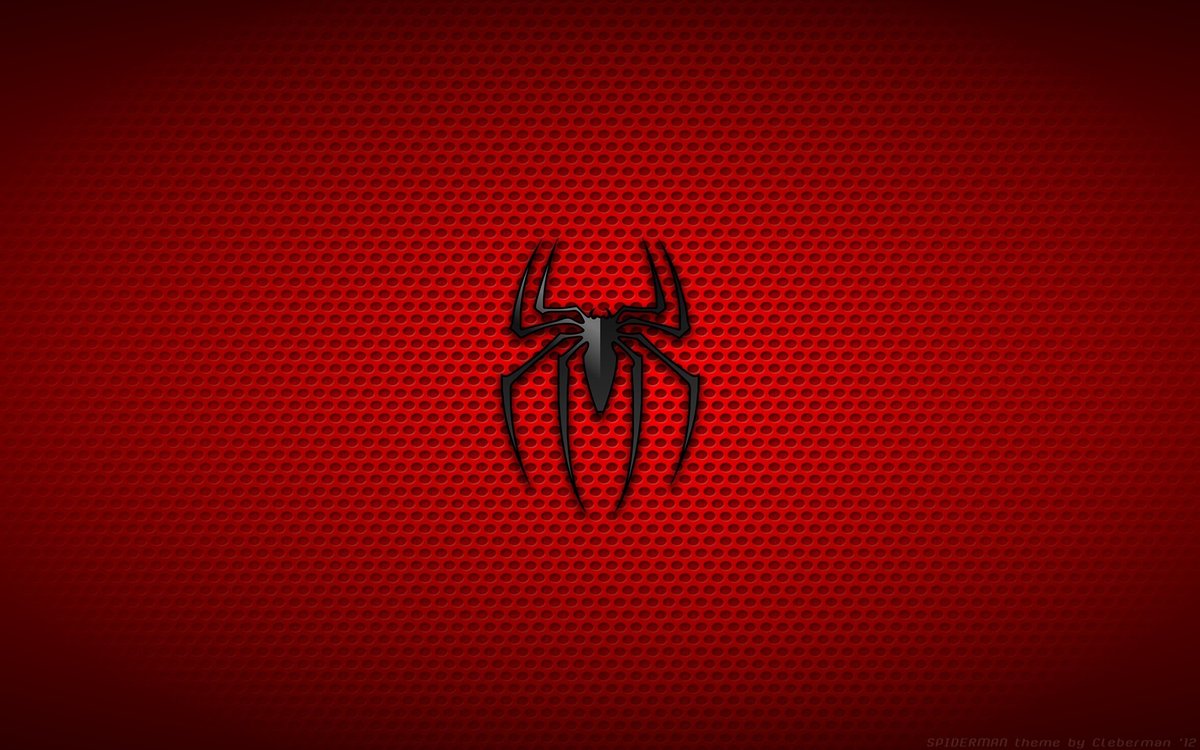
The image of a spider, a vibrant red, and the distinctive silhouette of a masked hero have burned themselves into the global consciousness, an instant trigger for tales of responsibility, courage, and the relatable struggles of a kid from Queens. You've seen it everywhere—on comic books, movie posters, toys, and even the chests of real-world athletes. But behind this ubiquitous symbol, the Iconic Spider-Man Logo Art & Artists have spun a fascinating narrative, evolving through decades while retaining an unmistakable core.
This isn't just about a brand; it's about a visual language crafted by visionary minds, designed to evoke the essence of one of fiction's most beloved characters.
At a Glance: Spinning the Web of Visual Identity
- Birth of an Icon: Stan Lee, Steve Ditko, and Jack Kirby laid the groundwork for Spider-Man's character, logo, and artistic qualities in 1962.
- The Core Emblem: The spider figure on his chest symbolizes power, protection, agility, creativity, wisdom, and mystery—a beacon of his commitment.
- Wordmark Evolution: The "Spider-Man" text logo has undergone several significant redesigns, from a soft, curved sans-serif to a modern, arched, and often 3D-effect wordmark.
- Emblem Variations: While the classic black spider on a red background is iconic, special costumes have introduced variations like white on black or blue.
- Meaningful Design: Every line and color choice in Spider-Man's visual identity reinforces his origin story, powers, and unwavering dedication to justice.
The Threads of Creation: Who Spun the First Web?
The incredible journey of Spider-Man began almost 60 years ago, a testament to enduring storytelling and brilliant artistic vision. At the heart of his creation are the legendary figures of Marvel Comics: writer/editor Stan Lee and artists Steve Ditko and Jack Kirby. These three are widely credited with originating the character, his iconic logo, and the artistic qualities that have defined him since his debut in Amazing Fantasy No. 15 in August 1962.
It’s worth noting that Joe Simon, a seasoned comic book artist and writer, also claimed credit for a similar design in 1953, with Clarence Beck as the illustrator. While that earlier concept never fully materialized as Spider-Man, it speaks to the fertile creative ground of the era and how foundational ideas can sometimes emerge independently. However, the Spider-Man we know and love today—Peter Parker, the web-slinging hero—unequivocally traces his roots to the collaboration of Lee, Ditko, and Kirby. Their genius lay not just in inventing a character, but in crafting an entire visual and narrative identity that would resonate for generations.
More Than Just a Bug: Decoding Spider-Man's Emblem
Long before the wordmark became a prominent brand, the spider emblem itself was the core visual shorthand for Spider-Man. Placed prominently on his classic red and blue chest costume, this emblem is far more than just a decorative element; it’s a condensed symbol of everything Peter Parker stands for.
The spider figure itself, often set against a subtle web background, immediately conveys power, strength, speed, and agility—the very attributes bestowed upon Peter by the radioactive spider bite. Beyond these physical traits, the emblem signifies responsibility and dignity, reminding both Peter and his audience of Uncle Ben's fateful words. It also encapsulates protection, creativity, wisdom, and a touch of mystery, reflecting the character's intellectual prowess, his inventive gadgetry, and his often-secretive life as a superhero.
Iconic Color Schemes and Their Impact
The most recognizable version features a black spider and web against a vibrant red background. The red isn't arbitrary; it symbolizes alertness and danger, a visual cue of Spider-Man's ever-present spider-sense and his readiness to leap into action. Sometimes, a stylish silverish-gray is incorporated into the spider design, adding a sleek, modern touch without detracting from its fundamental meaning.
However, the emblem has also adapted to suit different eras and storylines:
- White Spider on Black Background (1984): This striking variation emerged with the introduction of the alien symbiote suit during the "Secret Wars" mini-series. It was a dramatic departure, signaling a darker, more aggressive, and visually distinct chapter for the hero.
- White Spider on Blue Background (1994): Another variation seen on special costumes, this iteration offered a different aesthetic while maintaining the core spider shape.
These variations, while less common than the classic, demonstrate the emblem's adaptability and its ability to visually communicate significant shifts in Spider-Man's persona or narrative. Each iteration tells a story, subtly influencing our perception of the character at that moment.
A Visual Timeline: The Evolution of the Spider-Man Wordmark
While the chest emblem has remained relatively consistent in its core concept, the "Spider-Man" wordmark—the text logo used for titles, comics, and merchandise—has undergone several fascinating transformations. These changes reflect not only evolving design trends but also the character's journey through different media and eras.
The Early Web (1963–1979)
The initial wordmark was a masterclass in classic comic book lettering. It featured a single "Spider-Man" in a soft, sans-serif, block uppercase font. The design was friendly yet authoritative, often rendered in yellow with red details, and distinguished by a subtle, graceful curve downwards. This early iteration captured the nascent excitement of the character's introduction, embodying a sense of wholesome adventure.
The Expanding Horizon (1979–1985)
As Spider-Man's popularity grew, his wordmark adjusted to reflect a more established presence. This phase saw the wordmark become more linear and wider, projecting a sense of stability and breadth. The gentle curve was now slightly upwards, suggesting optimism and growth. The color scheme also shifted, moving to a clean white with red details, which offered a more vibrant contrast and a modern feel for its time.
Stepping into 3D (1985–1990)
The mid-80s brought a more dynamic and dimensional look. This wordmark was stricter, moving away from the softer curves and adopting a design that clearly resembled a 3D form. The font became more linear, with taller, more proportioned characters, giving it a solid, architectural quality. The color palette returned to a bold red featuring yellow accents, reinforcing its pop-art roots while embracing a more modern, impactful visual.
Animated Dynamics (1994–2005)
The 90s saw Spider-Man reach new heights of mainstream popularity, particularly with the "Spider-Man: Animated Series." The wordmark for this era was flat but incredibly distinctive. The white letters were extra tall and jagged, giving them an energetic, almost electric quality, emphasized by sharp red outlines. This design perfectly encapsulated the fast-paced, action-packed nature of animation and resonated with a new generation of fans.
Modern Clarity (2005–Present)
The current logo is a testament to contemporary design principles, emphasizing clarity, symmetry, and a timeless appeal. This iteration is more modern, stripping away some of the previous embellishments for a refined aesthetic. A key visual feature is how the first and last characters often subtly protrude downwards, creating a distinctive arch that gives the entire wordmark a sense of movement and tension. Reflecting Marvel's broader brand strategy, this logo sometimes includes a small "Marvel" brand name integrated into the design, subtly reinforcing the character's place within the larger comic book universe.
Understanding these design shifts provides a fascinating glimpse into the character's journey and how his visual identity has been carefully curated across different decades and media. For a deeper dive into the nuances of these visual elements and more, you'll find a wealth of information in your complete Spider-Man logo guide.
The Visionaries Behind the Iconography: Artists Who Defined a Legend
While the evolution of the logo and wordmark might seem like the work of anonymous graphic designers, it's crucial to recognize the profound impact of the foundational artists who established Spider-Man's entire visual language. Stan Lee, Steve Ditko, and Jack Kirby didn't just create a character; they forged an iconography.
Steve Ditko was instrumental in designing Spider-Man's original costume and unique look, including the now-legendary chest emblem. His distinctive style—often characterized by dynamic posing, expressive body language, and a grounded realism—set the visual tone for the early comics. Ditko's work ensured that the character felt both heroic and vulnerable, and his initial emblem design provided the enduring symbol of Peter Parker's dual identity.
Jack Kirby, though more involved in the initial conceptualization, brought his unparalleled sense of scale and epic grandeur to the Marvel universe. While his direct contributions to Spider-Man's specific logo design might be less pronounced than Ditko's, his overall influence on Marvel's visual style and character archetypes indirectly shaped the environment in which Spider-Man's iconography flourished.
The ongoing "artistic qualities" mentioned in the ground truth are critical. Every artist who has drawn Spider-Man, from John Romita Sr. to Todd McFarlane to Mark Bagley, has contributed to the consistent interpretation and slight evolution of his look, including the emblem. Their dedication to maintaining innovation while staying authentic to his costume ensures that the core visual identity, including the spider symbol, remains recognizable and powerful, despite inevitable stylistic variations across different eras and artists. The logo, therefore, is not merely a static image but a living testament to the collective artistic vision that continues to bring the character to life.
The Man Behind the Mask: Peter Parker's Story and His Shifting Symbols
The logos and emblems of Spider-Man are powerful because they are inextricably linked to the compelling, often tragic, origin story and life events of Peter Parker. His journey provides the emotional weight that makes the symbols resonate so deeply.
Peter Parker, an orphaned teenage boy from Queens, New York, living with his beloved Uncle Ben and Aunt May, was initially a shy, intelligent, and somewhat awkward individual. His life changed forever at a science museum when he was bitten by a radioactive spider. This fateful encounter granted him a suite of extraordinary abilities: superhuman reflexes, immense strength, the ability to cling to surfaces like a spider, and a precognitive "spider-sense" that warns him of danger.
The Defining Loss and the Birth of a Hero
Initially, Peter, like any teenager with newfound power, used his abilities for personal gain. However, a tragic oversight—his failure to stop a fleeing robber—led directly to the murder of his Uncle Ben. This devastating event served as the crucible for his transformation. Uncle Ben's last words, "With great power comes great responsibility," became Peter's guiding principle. Driven by guilt and a profound sense of duty, he dedicated his life to fighting crime as Spider-Man. Every time we see that spider emblem, it's a reminder of this foundational moment.
Key Moments, Reflected in Symbolism
Peter's life as Spider-Man has been a continuous saga of heroism, heartbreak, and profound personal growth:
- Gwen Stacy's Tragedy: His first great love, Gwen Stacy, was tragically killed by the Green Goblin. This event profoundly affected Peter, instilling in him a deep fear of revealing his identity and putting loved ones in harm's way. The weight of this loss adds to the symbol's gravitas.
- Mary Jane Watson: After Gwen's death, Peter found love again with Mary Jane Watson, whose discovery of his secret identity strengthened their bond, adding another layer of personal vulnerability and trust to the hero's life.
- The Black Symbiote Suit: During the "Secret Wars" mini-series, Peter acquired a sleek black suit. This wasn't just a costume change; it was a shift in his powers and temperament. The suit granted him endless webbing and shape-shifting abilities, but it also subtly influenced his behavior, making him more aggressive. The striking white spider emblem on its chest became a powerful symbol of this darker, more alien influence. He eventually separated from the suit with the help of the Fantastic Four, only for it to bond with journalist Eddie Brock, creating the formidable villain, Venom. This period profoundly showcased how a simple color swap could completely alter the perception of the symbol.
- Morlun and Resurrection: In a later storyline, Peter discovered a mystical link to Native American totem powers, leading to a brutal battle with the vampiric entity Morlun. Peter died but resurrected with enhanced abilities, further cementing his heroic, almost mythical, status. His Aunt May's discovery of his identity during this period added another dimension to his personal support system.
- Civil War: This major Marvel event saw Tony Stark (Iron Man) mentor Peter, even providing him with a new suit. Stark convinced Peter to publicly reveal his identity during the Superhuman Registration Act, a monumental moment for the character. However, Peter later defected to Captain America's side, opposing the act. He went into hiding, returning to his black suit, and was hunted by authorities, signifying a period of rebellion and moral complexity.
Each of these events adds depth to the spider symbol, transforming it from a mere emblem into a poignant reminder of Peter Parker's triumphs, sacrifices, and unwavering moral compass.
Beyond the Symbol: Spider-Man's Powers, Genius, and Gear
The iconic logo and emblem are deeply intertwined with Spider-Man's unique abilities and his genius intellect. They are visual representations of the character's extraordinary capabilities, making them all the more compelling.
Superhuman Abilities: The Gift of the Spider
Peter Parker's powers stem directly from the radioactive spider bite, granting him an impressive suite of superhuman abilities:
- Wall-Crawling: This signature ability, often attributed to Van der Waals force or tiny cilia on his skin in various explanations, allows him to effortlessly scale vertical surfaces.
- Superhuman Strength: He possesses strength far beyond human limits, enabling him to lift immense weights and deliver powerful blows.
- Agility, Speed, and Balance: Spider-Man is incredibly acrobatic, able to dodge attacks, perform complex maneuvers, and maintain perfect balance in any situation.
- Precognitive "Spider-Sense": This intuitive warning system alerts him to danger before it happens, giving him crucial seconds to react. It's often depicted as a tingling sensation in his head.
- Superhuman Recovery: Peter's metabolism allows him to heal from injuries and recover from fatigue much faster than an ordinary human.
These powers are not just for show; they define his fighting style, his acrobatic movements through New York City, and his very identity as Spider-Man.
Peter Parker's Genius: The Mind Behind the Mask
What truly sets Peter apart is not just his spider-powers, but his incredible intellect. He is a certified genius, with expertise spanning multiple scientific disciplines:
- Applied Science & Physics: His understanding allows him to manipulate his environment and understand the forces at play in combat.
- Chemistry & Biology: Crucial for understanding his own powers and those of his enemies.
- Mathematics & Mechanics: Essential for designing his gadgets and understanding complex engineering problems.
- Engineering: This is where his practical genius shines brightest.
Peter designs his own costume, which is both functional and iconic, and his equipment. His most famous invention, the mechanical web-shooters, are wrist-mounted devices that deploy a unique, highly adhesive fluid that hardens on contact with air. This web fluid is so complex that others have been unable to replicate it, making it a signature piece of his arsenal. He also created a spider-signal flashlight for crime scenes and a warning beacon, showcasing his resourcefulness. His scientific acumen is as much a part of his identity as his powers, and it's subtly reflected in the intelligent design of his costume and symbols.
The Legacy Continues: Spider-Man's Enduring Appeal and Future
Spider-Man remains one of the most famous and commercially successful superheroes globally, a testament to the enduring power of his character and the iconic visual elements that define him. He continues to appear not only in Marvel Comics but across a vast array of media, from TV shows and video games to blockbuster movies.
The character's relatability, stemming from Peter Parker's everyday struggles with money, romance, and self-doubt, combined with his extraordinary abilities, has resonated with audiences worldwide. This universal appeal has led to numerous portrayals:
- Danny Seagren was the first live-action Spider-Man, appearing in a children's show from 1974-1979.
- Tobey Maguire brought the hero to the big screen in Sam Raimi's critically acclaimed trilogy (2002-2007).
- Andrew Garfield took on the role in "The Amazing Spider-Man" films (2012-2014).
- Tom Holland currently portrays a younger, fresh-faced Spider-Man within the Marvel Cinematic Universe, earning positive reviews for films like "Spider-Man: Homecoming." His casting allows for a longer tenure, giving audiences years to grow with his version of the character.
- Jake Johnson and Chris Pine lent their voices to different versions of Peter Parker in the Oscar-winning animated film "Spider-Man: Into the Spider-Verse," showcasing the character's multiverse appeal.
Looking ahead, the future of the web-slinger's iconography appears just as vibrant. Miles Morales, who has emerged as a beloved alternate Spider-Man in the comics and "Into the Spider-Verse," is positioned as a potential future Spider-Man within various cinematic universes. Sony's cinematic universe may also feature Miles Morales more prominently, further diversifying and enriching the visual and narrative tapestry of the Spider-Man legacy. Each new iteration, each new artist, and each new story adds another layer to the iconic spider symbol, ensuring its relevance for generations to come.
Your Guide to the Web-Slinger's Visual Legacy
The enduring power of Spider-Man's logo art and the indelible mark left by its visionary artists cannot be overstated. From the initial pencil strokes of Ditko and Kirby to the creative direction of Stan Lee, and through every subsequent iteration of the wordmark and emblem, these visual elements have consistently communicated the core essence of a hero who constantly strives to do the right thing.
They remind us that great power truly does come with great responsibility, a message that has transcended comic book panels to become a cornerstone of popular culture. As you encounter Spider-Man's symbol in the world, take a moment to appreciate the decades of artistic collaboration and the profound storytelling embedded within every curve and line. It's a testament to how art, when paired with compelling narrative, can create something truly timeless.