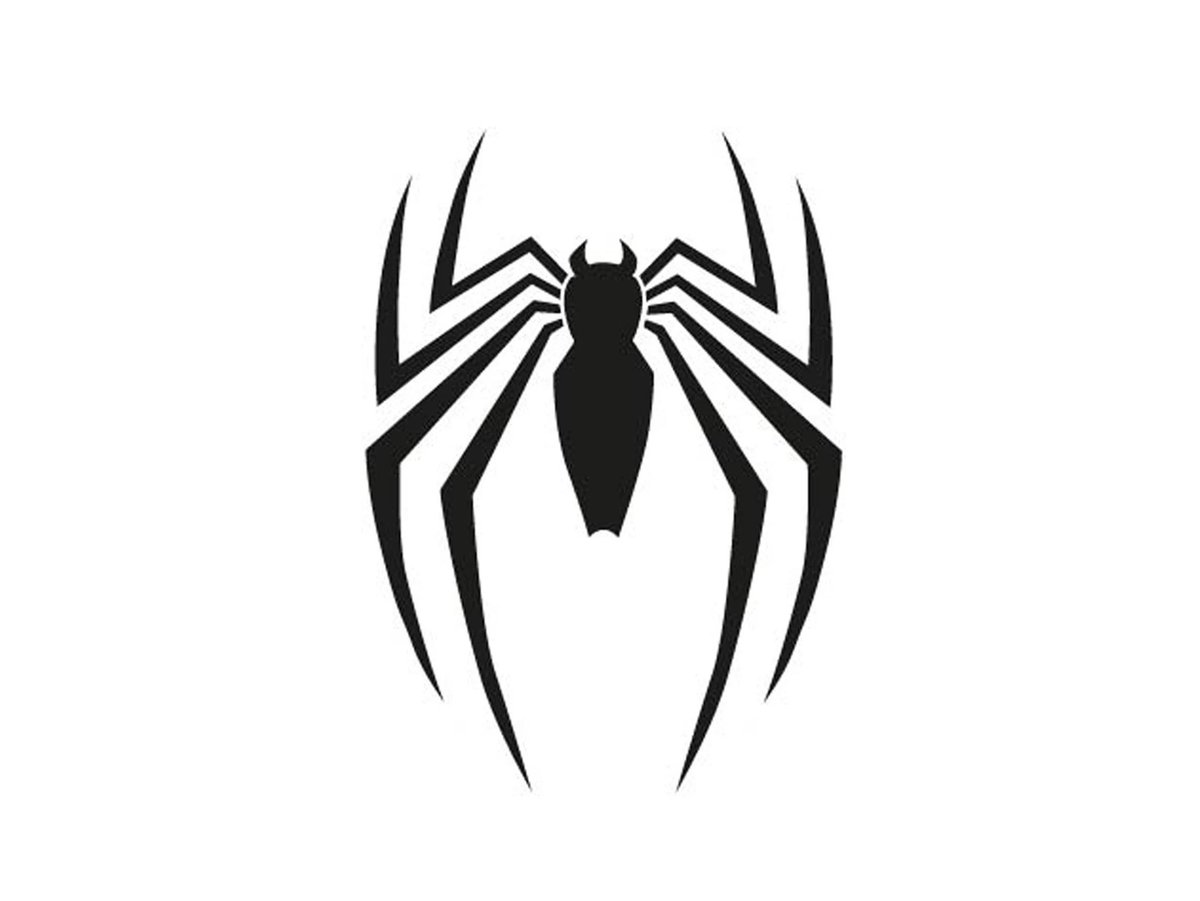
In the pantheon of globally recognized symbols, few resonate with the immediate recognition and deep emotional connection as the iconic Spider-Man emblem. From its humble origins in 1962, a seemingly simple arachnid silhouette has become a powerful badge of hope, responsibility, and the indomitable spirit of a teenage hero. This Spider-Man Logo Design Analysis dives deep into its fascinating evolution, exploring the artistic choices, historical context, and character-driven influences that have shaped one of Marvel's most enduring visual identities.
It's more than just a picture of a spider; it's a shorthand for a legacy, a visual cue that instantly conjures images of web-slinging action, heartfelt struggles, and the constant battle between personal life and the call of duty.
At a Glance: Unpacking the Spider-Man Logo
- Origin Story: The logo debuted with Spider-Man in Amazing Fantasy #15 (1962), designed by Steve Ditko.
- Symbolic Core: Represents Peter Parker's transformation and the "great power, great responsibility" mantra.
- Early Evolution: Began as a simple, often varied black spider, inconsistent in placement and leg design.
- Key Refinements: John Romita Sr. brought uniformity in 1966, refining leg curves and body shape.
- Color Palette: Traditionally a black spider on a red background, with red symbolizing boldness and blue (from his costume) representing dependability.
- Black Suit Impact: The controversial black suit introduced a distinct white spider, symbolizing a darker, more aggressive alter ego.
- Wordmark Evolution: The accompanying "Spider-Man" title has also undergone significant design changes, most notably in 1963, 1979, and 2005.
- Global Recognition: A cornerstone of Marvel's brand, transcending comics into films, games, and merchandise, adapting while retaining its core identity.
The Genesis of a Web-Slinger: Peter Parker's Path to Iconography
Before we dissect the emblem itself, it's crucial to understand the man behind the mask. Peter Parker wasn't born into heroism; he stumbled into it, forever changing the landscape of superhero storytelling. A shy, brilliant science student from Queens, New York, Peter's life took an irreversible turn during a public demonstration. A bite from a radioactive common house spider imbued him with enhanced reflexes, incredible strength, and the uncanny "spider-sense" that warns him of danger.
Initially, Peter, like many teenagers, sought personal gain, even making a splash as "The Amazing Spider-Man" on TV. But destiny, as it often does, had a cruel lesson in store. His failure to stop a fleeing robber directly led to the murder of his beloved Uncle Ben, unleashing the profound realization that "with great power comes great responsibility." This mantra didn't just define Peter Parker; it became the moral compass for the character and, by extension, the very symbol that represents him. This deep character background is essential when discussing understanding Spider-Man's character evolution and how it ties into his visual identity.
Peter's journey was fraught with personal tragedy, from the loss of his first love, Gwen Stacy, to the complexities of his relationship with Mary Jane Watson. He faced incredible physical and emotional challenges, even acquiring a controversial black suit during the "Secret Wars" mini-series—a living symbiote that Mister Fantastic later removed. This black suit, an early example of a logo adaptation, dramatically altered his visual identity and hinted at a "dark-sided alter ego."
Even later in life, Peter continued to evolve, facing resurrection after a brutal fight with Morlun and revealing his identity during the "Civil War," only to join Captain America's rogue faction. Each of these pivotal moments, each shift in Peter's moral and personal landscape, subtly or overtly influenced the way his iconic spider emblem was perceived and, at times, depicted.
Why a Spider? Decoding the Emblem's Core Meaning
The decision to use a spider as Spider-Man's primary symbol wasn't arbitrary; it was foundational. It directly reflects his origin, serving as a powerful visual metaphor for Peter's transformation from an ordinary, somewhat nerdy teenager into an extraordinary protector. The simple, black spider isn't just a nod to the radioactive bite; it’s an emblem of duality. Spiders are often seen as creepy or frightening, yet they possess incredible strength, agility, and the ability to spin intricate, life-saving webs. This mirrors Peter's own struggle: a seemingly ordinary young man who shoulders immense responsibility and faces overwhelming threats.
The Spider-Man logo is, at its heart, an emblem of hope and responsibility. It stands as a constant reminder of Uncle Ben's dying words and Peter's unwavering commitment to using his powers for good. It's a badge of honor, recognized globally, that creates an immediate, deep emotional connection with fans who understand the weight and heroism it represents.
Evolutionary Web: A Visual Journey Through Spider-Man's Logos
The Spider-Man logo didn't spring forth fully formed and immutable. Like the character it represents, it underwent a dynamic evolution, shaped by the hands of legendary artists and the ever-changing tides of comic book art. This journey from simple sketch to refined icon tells a story of artistic collaboration and the relentless pursuit of visual perfection.
Ditko's Original Vision: The Early, Varied Emblems
When Spider-Man first swung onto the pages of Amazing Fantasy #15 in 1962, it was Steve Ditko who rendered the character and his nascent emblem. Ditko's initial designs for the spider logo were wonderfully raw and inconsistent, reflecting the organic, fast-paced nature of early comic book production.
You'd often see a simple black spider, its legs depicted either straight or bent, sometimes protruding from the middle of the body, sometimes from the sides. The size and placement on Peter's chest also varied from panel to panel, even page to page. It was a functional mark, clearly identifying the character, but not yet the polished, universally recognized symbol it would become. This early, less rigid approach is fascinating when you consider the rich history of comic book logos and how many began with such organic, fluid beginnings.
Romita's Refinement: Bringing Uniformity to the Web
A pivotal moment in the logo's evolution came in 1966 with John Romita Sr. Romita took Ditko's foundational design and instilled a much-needed sense of uniformity and elegance. Under Romita's brush, the emblem became more consistent:
- Narrower Body: The spider's body often appeared sleeker, less bulbous.
- Curved Legs: The legs were more consistently drawn with a graceful curve, giving the spider a dynamic, almost poised appearance, rather than a stiff, splayed look.
- Color Shift: While typically black, Romita sometimes rendered the spider in blue, perhaps to match the blue sections of Spider-Man's costume, adding a subtle visual harmony.
This period marked the logo's transition from a loose identifier to a standardized visual asset, making it more recognizable across different issues and artists. Romita's refinements were crucial in solidifying the emblem's identity, making it ready for its ascent into global iconography.
The '70s and Beyond: Fan & Artist Interpretations
As the decades progressed, different artists continued to put their stamp on the logo, even if subtly. In the early 1970s, you might observe the spider's body growing even narrower, and its limbs occasionally depicted in a more fan-like arrangement, spreading out from a central point. These were minor tweaks, but they show an ongoing artistic dialogue with the symbol.
A significant, albeit fan-driven, shift arrived in the early 1980s. A fan named Randy Schuller submitted a design for a new, black costume for Spider-Man. This design featured a giant, striking white spider emblem on the chest, with its legs dramatically weaving around Peter's torso. This powerful design concept wasn't just a visual overhaul; it inherently reflected a "dark-sided alter ego" for the hero, hinting at the controversial black suit saga that would soon unfold. This fan contribution highlights the symbiotic relationship between creators and their audience in shaping the impact of iconic superhero symbols.
The Wordmark's Own Metamorphosis
Beyond the spider emblem, the "Spider-Man" wordmark — the stylized title often seen on comic book covers and merchandise — has also evolved significantly over the years. These changes reflect broader design trends in typography and branding, always aiming for maximum impact and readability.
- 1963–1979: The early wordmarks often featured bold, somewhat blocky lettering, with an emphasis on strong, clear legibility.
- 2005–Present: The current wordmark, introduced in 2005, represents a significant refinement. It emphasizes clarity and symmetry, often with a subtle arching design that gives it a dynamic, modern feel. This version frequently incorporates the "Marvel" branding, reinforcing the character's place within the larger universe.
The careful design of the wordmark complements the emblem, creating a cohesive visual package that is instantly attributable to Spider-Man and, by extension, Marvel's masterful superhero branding.
The Power of Color: Red, Blue, and the Black Suit's Impact
Color is a silent storyteller in design, and Spider-Man's traditional palette speaks volumes. The primary colors of his costume and emblem are red, blue, and white. This choice isn't accidental; it's deeply ingrained in his identity and aligns with broader symbolic meanings.
- Red: Dominating his costume and often serving as the background for his black emblem, red symbolizes boldness, courage, and action. It’s an attention-grabbing color that suits a hero who swings through the city, often putting himself in harm's way.
- Blue: Providing contrast and often covering areas like his legs and arms, blue traditionally represents dependability, loyalty, and calm. This reflects Peter's steadfast commitment to his responsibilities and his generally grounded, albeit anxious, personality.
- Black (Emblem): The black spider against the red evokes a stark, almost primal imagery. Black, in this context, suggests mystery, power, and the inherent danger associated with spiders, reminding us of his origin.
The traditional colors also carry a patriotic undertone (red, white, and blue), subtly linking Spider-Man to the American ideal of heroism, even if his battles are often deeply personal.
The Black Suit: A Radical Departure
The acquisition of the black symbiote suit during the "Secret Wars" mini-series, initially thought to be a simple fabric with incredible properties, represented a radical departure from Spider-Man's traditional look. The suit itself was entirely black, sleek and menacing. Crucially, the logo shifted dramatically: the small, black spider was replaced by a much larger, more angular white spider emblem that spanned his chest.
This design choice was deliberate. The white spider against the black background immediately conveyed a sense of the "dark side" Peter was grappling with. It was aggressive, alien, and visually stark. The design by Randy Schuller, a fan, and later adapted by creators, symbolized the costume's alien nature and the hero's struggle with its corrupting influence. This period provided one of the most compelling examples of how a logo change can reflect fundamental shifts in a character's narrative and psyche, giving deep meaning to the radical symbiote suit design. The white spider became synonymous with Venom after the symbiote bonded with Eddie Brock, further cementing its distinct identity.
Beyond the Comics: Logo Adaptation Across Media
The Spider-Man logo's resilience and adaptability are evident in its journey beyond the comic panels. From blockbuster films to video games and an endless array of merchandise, the emblem has been tweaked, reimagined, and refined, yet always retaining its unmistakable arachnid essence.
- Film Adaptations: Each cinematic iteration, from Sam Raimi's Spider-Man trilogy to Marc Webb's The Amazing Spider-Man films, and the Marvel Cinematic Universe's Spider-Man series, has presented its own subtle interpretation of the logo. Sometimes it's slightly more stylized, other times more realistic or simplified, but the core elements remain intact. These adaptations often aim to make the logo feel contemporary while honoring its legacy.
- Video Games: The world of video games offers even more freedom for design variations. Games like Insomniac Games' Marvel's Spider-Man feature a highly detailed, often metallic-looking logo that feels tactile and integrated into the suit's fabric, pushing the boundaries of what the symbol can convey in a dynamic, interactive medium.
- Merchandise: On T-shirts, toys, backpacks, and collectibles, the logo is an immediate identifier. Its simplicity and strong visual impact make it ideal for branding, allowing it to be instantly recognized across cultures and languages, acting as a global badge of honor for fans.
Despite these numerous adaptations, the underlying principles of the logo — a multi-legged arachnid silhouette, often in black or white against a contrasting background — remain constant. This consistency is a testament to the strength of Steve Ditko's original design and its ability to communicate the character's core identity regardless of the medium.
The "With Great Power..." Doctrine: How the Logo Embodies Peter Parker's Ethos
The true genius of the Spider-Man logo lies in its ability to encapsulate Peter Parker's entire ethos without a single word. It doesn't depict a muscular hero, a flowing cape, or a patriotic shield. It's a spider, a creature often feared, yet one that represents the very source of Peter's power and, consequently, his responsibility.
Think about it: Peter was bitten by a common house spider. He didn't choose to be extraordinary; it was thrust upon him. The logo, therefore, is a constant visual reminder of that fateful moment, and the subsequent vow he made to himself after Uncle Ben's death. It represents:
- Accidental Power: The bite that started it all.
- Burden of Responsibility: The weight of Uncle Ben's lesson.
- Vigilante Justice: His commitment to protecting the innocent.
- Underdog Spirit: The spider, small but mighty, against larger threats.
The emblem is a silent narrator of Peter's internal conflict and his unwavering dedication. It’s not just a cool design; it’s a philosophical statement, embodying the idea that true heroism isn't about the flashiest powers, but about the moral fortitude to use them for the greater good.
Decoding Design Choices: What Makes a Logo Last?
The Spider-Man logo's enduring appeal isn't accidental; it's a masterclass in effective logo design. Several key principles contribute to its lasting impact:
- Simplicity: The logo is instantly recognizable because it's clean and uncluttered. A simple silhouette ensures memorability and clarity, even at small sizes or when viewed quickly.
- Memorability: You see a spider, you think Spider-Man. This strong association is built on decades of consistent usage and a clear link to the character's origin.
- Versatility: The logo works equally well in various contexts — on a comic book cover, a movie poster, a toy, or a digital icon. Its adaptable nature allows it to be tweaked for specific adaptations without losing its core identity.
- Timelessness: Despite being over 60 years old, the core design doesn't feel dated. Its abstract nature ensures it transcends fleeting design trends.
- Relevance: The symbol is directly relevant to the character's origin and powers, making it instantly understandable and meaningful to the audience.
- Emotional Connection: Through its association with Peter Parker's struggles and triumphs, the logo has built a deep emotional resonance with generations of fans. It's not just a mark; it's a symbol of heroism, resilience, and the power of responsibility.
These principles combine to create a logo that is not only visually striking but also functionally robust, making it a cornerstone of Marvel's brand identity and a globally recognized symbol of heroism. If you want to Learn more about Spiderman logos and their impact, you'll find these design principles are often at the core of their longevity.
Frequently Asked Questions About the Spider-Man Logo
Navigating the nuances of such an iconic design often brings up common questions. Here are some crisp answers that clarify its history and meaning:
Who designed the original Spider-Man logo?
The original iconic spider emblem was designed by Steve Ditko, who also co-created the character with Stan Lee. It debuted in Amazing Fantasy #15 in 1962.
What do the colors in Spider-Man's costume mean?
The traditional red, blue, and black colors are highly symbolic. Red denotes boldness, courage, and passion. Blue represents dependability, loyalty, and calm. The black of the spider emblem signifies mystery, power, and its arachnid origin. Together, they create a visually dynamic and meaningful palette.
Has Spider-Man's logo ever changed significantly?
Yes, the logo has evolved considerably since its inception. While the core "spider" concept remains, its shape, leg configuration, and even color (as seen with the white spider on the black symbiote suit) have changed. Artists like John Romita Sr. refined Ditko's initial, more varied designs, bringing greater uniformity and stylization.
What is the significance of the black suit logo?
The black suit's larger, more angular white spider logo was crucial for symbolizing a darker, more aggressive side of Spider-Man. It was a visual representation of the alien symbiote's influence on Peter Parker, contrasting sharply with his traditional, benevolent emblem. After the symbiote separated from Peter, this white spider became the signature emblem for Venom.
Your Turn: Embracing Iconic Design Principles
The "Spider-Man Logo Design Analysis" reveals far more than just the aesthetic journey of an emblem. It illustrates how meticulous design, coupled with profound character development, can forge a symbol that transcends mere branding to become a cultural touchstone. The enduring power of Spider-Man's logo isn't just in its visual appeal, but in its ability to embody a timeless message: that even the most ordinary among us can achieve extraordinary things, especially when guided by a sense of responsibility.
For anyone looking to create a lasting visual identity, whether for a character, a brand, or a personal project, the Spider-Man logo offers invaluable lessons. Focus on simplicity, ensure relevance to your core message, strive for versatility across mediums, and build an emotional connection with your audience. When these elements align, you don't just create a design; you create a legacy.