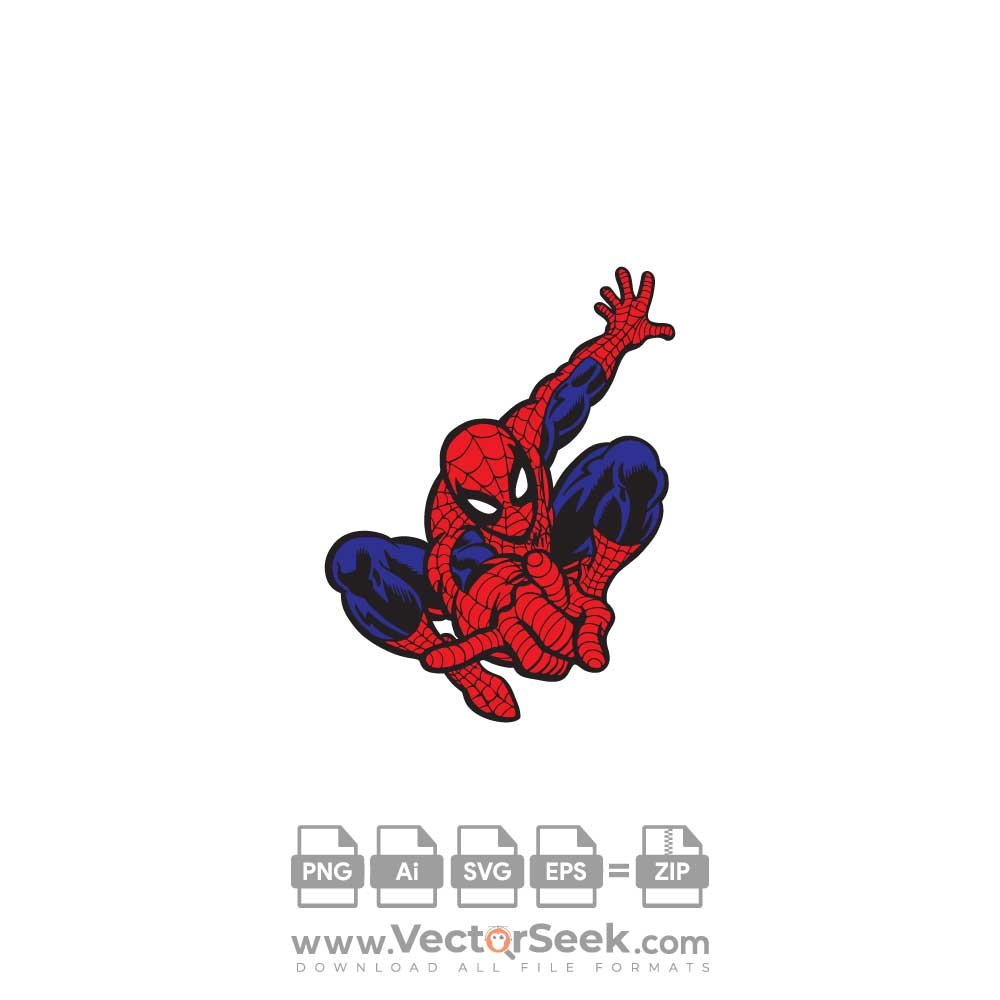
If you've ever seen a bold, stark spider symbol on a chest, whether it’s on a comic book cover, a movie screen, or a kid’s backpack, you instinctively know who it represents. That simple, yet profoundly effective design is more than just a character badge; it's a visual shorthand for a universe of values. The Spider-Man Logo's Cultural Impact is immense, acting as a global emblem of heroism, responsibility, and the extraordinary potential within ordinary people.
It’s a logo that transcends language, speaks volumes in silence, and has woven itself into the fabric of popular culture, shaping perceptions of what a hero can be.
At a Glance: What Makes the Spider-Man Logo an Enduring Icon
- Born from Necessity: Originating with Steve Ditko in 1962, the logo was designed to instantly communicate the character's arachnid identity.
- Dynamic Evolution: While maintaining its core elements, the logo has adapted across eras, from the classic red and blue to the menacing black suit and diverse multiverse iterations.
- Symbolic Power: Each element—the spider, the red, the web—carries distinct meanings that resonate deeply with audiences.
- Global Recognition: Transcending comics, it's a universal symbol found in films, games, and merchandise, often representing the Marvel brand itself.
- Emblem of Relatability: It embodies themes of hope, courage, and the idea that anyone, regardless of their struggles, can be a hero.
- Cultural Touchstone: From street art to tattoos, the logo has seeped into our collective consciousness, far beyond its commercial origins.
The Arachnid's Mark: Tracing the Logo's Formative Years
Every legend has an origin, and for the Spider-Man logo, that tale begins in the fertile creative ground of 1960s Marvel Comics. When Stan Lee and Steve Ditko introduced Peter Parker to the world in Amazing Fantasy #15 in 1962, they weren't just creating a new hero; they were crafting an archetype. A teenager grappling with high school woes and newfound powers, Spider-Man's relatability and moral complexity immediately struck a chord. Central to his visual identity, right there on his chest, was a powerful, minimalist symbol: a spider.
Steve Ditko's original design was stark and purposeful. It was a bold black spider, its elongated legs and round abdomen prominently displayed, immediately screaming "arachnid-inspired powers" to anyone who picked up the comic. This initial logo wasn't just decorative; it was fundamental to Spider-Man’s persona, emphasizing the core of his abilities and identity.
Just a year later, with the launch of "The Amazing Spider-Man" comic series in 1963, Spider-Man donned his now-iconic red and blue costume. The logo, though still a spider, evolved with the suit. It became an integral part of the design, featuring sharper lines and, crucially, a distinctive web pattern that often appeared to emanate from the spider’s body, visually tying his powers to his emblem. This design cemented its place in comic book history, setting the stage for decades of recognition. You can explore Spiderman logo designs from these early days to witness their transformation.
Fast forward to the 1980s, a pivotal period in comic book lore. During the momentous "Secret Wars" storyline, Spider-Man received a temporary black suit. This wasn't just a color change; it was a tonal shift. The logo transformed to match, becoming a more menacing black spider set against a stark red background. This darker emblem conveyed a sense of danger and intensity, reflecting a more aggressive, perhaps even corrupted, side of the hero. It was a bold departure that proved just how impactful a logo could be in signaling narrative changes. Though temporary, this iteration left an indelible mark on fans, proving the logo's adaptability. After this era, the classic red and blue design, and its accompanying logo, were thankfully restored, reassuring fans and reaffirming the enduring power of the original concept. In modern times, the logo has continued to evolve, often becoming sleeker and more stylized, yet always retaining those core elements that make it unmistakably Spider-Man.
Decoding the Web: Symbolism Beyond the Spider
The Spider-Man logo's enduring appeal isn't just about its visual simplicity; it's about the layers of meaning it carries. Each element of the logo works in concert to communicate powerful ideas, creating a rich tapestry of symbolism that resonates deeply with audiences across generations.
At its core, the spider itself is the primary symbol, representing the source of Peter Parker’s powers: strength, agility, and the incredible ability to cling to surfaces and sling webs. It’s a creature often associated with fear or danger, yet for Spider-Man, it's transformed into an emblem of heroic potential. This duality—the humble, sometimes frightening creature becoming a symbol of good—mirrors Peter Parker’s own journey from an ordinary, somewhat bullied teenager into a formidable protector.
The prominent use of red, especially in the background or as a defining color for the logo itself, adds another crucial layer. Red is a color universally associated with danger, excitement, and passion. For Spider-Man, it evokes the thrilling, high-stakes adventures he embarks on, the constant peril he faces, and the vibrant energy he brings to his role as a superhero. It signifies the urgency and intensity of his world, hinting at the constant struggle between right and wrong.
Then there’s the white web pattern, often subtly woven into or radiating from the spider symbol. This intricate design represents creativity, ingenuity, and Peter Parker's scientific brilliance. It's not just about trapping villains; it’s about finding innovative solutions, using his intellect to overcome seemingly insurmountable obstacles. The web also symbolizes connection and community, hinting at Spider-Man’s role as a protector who connects with the everyday people of New York, forming a protective net around them.
Together, these elements form a potent visual language. The logo becomes more than just a picture; it’s a narrative in miniature. It tells a story of transformation, resilience, and the constant dance between immense power and overwhelming responsibility. It reminds us that beneath the suit, there’s a mind at work, a heart that beats for justice, and a spirit that embodies hope and courage. This profound symbolism is a key reason why the Spider-Man logo holds such a significant place in the collective consciousness, proving its enduring cultural impact.
From Panel to Planet: The Logo's Journey to Global Recognition
The journey of the Spider-Man logo from comic book panels to a globally recognized symbol is a testament to the character’s universal appeal and Marvel’s strategic expansion. What began as an illustration on a single comic cover soon transcended its print origins, becoming a ubiquitous presence across diverse media.
Initially, the logo's impact was primarily confined to comic book readers. However, as Spider-Man’s popularity soared, he made the leap to animated television series in the late 1960s. With each new iteration—from the classic 1967 cartoon to the critically acclaimed Spider-Man: The Animated Series in the 90s, and more modern CGI productions like Ultimate Spider-Man—the logo became a recurring visual, instantly identifiable to a growing audience of young viewers. It solidified its place in children's imaginations, embedding itself as a symbol of adventure and bravery long before they might have picked up a comic.
The advent of blockbuster films truly rocketed the logo into the global stratosphere. Sam Raimi’s Spider-Man trilogy (2002-2007) and Marc Webb’s The Amazing Spider-Man films (2012-2014) showcased the logo on massive cinema screens worldwide. More recently, the Marvel Cinematic Universe (MCU) films, starting with Captain America: Civil War and continuing through the standalone Spider-Man movies starring Tom Holland, further amplified its visibility. The logo became shorthand for exciting, action-packed cinematic experiences, associated with incredible visual effects and engaging storytelling. Sony's animated film ‘Spider-Man: Into the Spider-Verse’ received critical acclaim for its innovative animation and diverse representation of Spider-People, bringing the logo to new visual heights and expanding its narrative universe to appeal to even younger, more diverse audiences. This film, in particular, showcased how dynamic and adaptable the logo could be while retaining its core identity.
Beyond screens, the Spider-Man logo became an absolute powerhouse in merchandise. From t-shirts and toys to video games and school supplies, it adorns countless products globally. It's a prime example of how a simple graphic can become a brand identifier, signaling quality, excitement, and a connection to a beloved character. Its consistent application across these various platforms—whether slightly stylized for a toy or sleek for a video game cover—helped solidify its presence in the collective consciousness. This widespread exposure meant that even those unfamiliar with Spider-Man’s backstory recognized the emblem. It simply was Spider-Man.
Ultimately, the Spider-Man logo transcended being just a character’s emblem; it became a symbol for the Marvel brand itself. Often appearing alongside the Marvel Studios or Marvel Comics logo, it’s associated with the core values Marvel champions: heroism, adventure, bravery, and the enduring power of good over evil. It's a beacon that assures audiences of a thrilling, often emotionally resonant, experience. Its journey from a humble sketch to a symbol known globally is a powerful testament to its inherent design strength and the compelling narrative it represents.
Why It Sticks: The Psychology of an Enduring Emblem
What makes the Spider-Man logo so incredibly sticky in our minds? Its endurance isn't just about repetition; it's deeply rooted in psychological principles that make it both memorable and emotionally resonant.
Firstly, its simplicity and distinctiveness are paramount. The logo, whether the classic red and blue or its many variations, boils down to a clear, recognizable shape. It's a spider, often stylized, sometimes with web elements. This minimalist approach ensures that it's easy to remember, even for young children. In a world saturated with complex imagery, the Spider-Man logo cuts through the noise. It doesn't require intricate details to convey its meaning; its silhouette alone is enough. This cognitive ease of processing contributes significantly to its memorability.
Secondly, the logo taps into emotional resonance. Spider-Man, as a character, embodies themes of hope, courage, adventure, and crucially, responsibility. He's the everyman who rises to extraordinary challenges, reminding us that "with great power comes great responsibility." The logo, by association, becomes imbued with these values. When we see it, we don't just see a spider; we feel the inspiration, the empathy, and the sense of possibility that Peter Parker represents. It's a visual cue for aspirational qualities, making people feel connected to a larger narrative of good triumphing over evil, of resilience in the face of adversity. This emotional connection transforms a mere image into a symbol of personal identification and inspiration.
Furthermore, the logo serves as an incredibly effective brand identity. For Marvel and Sony, it's an instant signifier. Just as the Nike swoosh immediately evokes athleticism, the Spider-Man logo instantly brings to mind a specific type of hero and a particular universe of storytelling. This strong brand association means that the logo communicates core values and expectations without a single word. It builds trust and familiarity, assuring consumers of a certain quality and experience. This consistency across comics, movies, games, and merchandise reinforces its presence, creating a feedback loop where exposure strengthens recognition, and recognition deepens its cultural impact.
Finally, its adaptability without losing its essence plays a crucial psychological role. While the logo has seen numerous iterations – from the black suit's menacing vibe to the sleeker, modern designs – its core arachnid form remains. This allows for fresh interpretations while ensuring continuity. Audiences can embrace new takes on Spider-Man, knowing that the underlying spirit of the hero is still there, visually anchored by that familiar, powerful emblem. This balance of novelty and constancy is a powerful psychological tool for maintaining engagement over decades. The logo is not just a picture; it’s an icon that has embedded itself into our collective psyche through masterful design and compelling storytelling.
Spider-Man in the Multiverse: Logo Adaptations and Interpretations
One of the most exciting developments in the Spider-Man mythos, especially in recent years, has been the exploration of the multiverse. This narrative expansion hasn't just introduced new Spider-People; it's provided a fascinating canvas for how the iconic logo can be adapted, reinterpreted, and yet still retain its universal recognition. These variations are not merely aesthetic choices; they reflect the unique personalities, origins, and struggles of each alternate hero.
Take, for instance, Miles Morales's Spider-Man. His logo is distinct, often a more angular, modern spider, sometimes outlined in red against his black suit. This design perfectly encapsulates Miles's younger, more contemporary persona, a fresh take on the mantle. It’s undeniably a spider, instantly connecting him to the legacy, but its specific styling differentiates him as his own hero, a symbol of a new generation of Spider-People.
Similarly, Spider-Gwen (Gwen Stacy) sports a logo that integrates seamlessly with her unique, hooded costume. Her spider emblem often features a more streamlined, almost elegant design, matching her agile and graceful fighting style, while still clearly indicating her arachnid powers. These subtle shifts in design speak volumes about the character without needing exposition.
Even within the same character, the logo has seen significant shifts to reflect narrative arcs. The aforementioned black suit logo from the "Secret Wars" storyline served as a visual shorthand for Peter Parker's darker, symbiote-influenced period. It was a clear, immediate signal to readers that something was different, something more menacing, was at play. This transformation showed the power of the logo to convey mood and narrative stakes without a single word.
The animated spectacle of Spider-Man: Into the Spider-Verse brilliantly showcased the sheer diversity of these logos. From the exaggerated, cartoony logo of Spider-Ham to the futuristic, almost digital emblem of Spider-Man 2099, each character’s logo was a masterclass in visual storytelling. They all share the common "spider" motif, yet each is tailored to its universe and character, celebrating individuality while reinforcing the shared mantle. This film, along with its acclaimed sequel, truly highlighted how the logo can evolve and diversify while remaining cohesive.
The live-action film ‘Spider-Man: No Way Home’ also offered a powerful demonstration of the logo's cultural resonance by uniting past character iterations. Seeing Tobey Maguire’s classic spider alongside Andrew Garfield’s sleeker version and Tom Holland’s more tech-integrated design was a nostalgic and thrilling experience for fans. It underscored the enduring appeal of the core symbol, even across different cinematic interpretations and timelines. These collaborative ventures, like ‘Spider-Man: No Way Home’ uniting past character iterations, highlight audience eagerness for interconnected superhero narratives and multiverse concepts, with the logo acting as the connective tissue. This adaptability is key to the Spider-Man logo's continued relevance and ensures that as the Spider-Verse continues to expand, so too will the fascinating array of its iconic emblem. The journey to explore Spiderman logo designs through the multiverse is a rich one.
Beyond Merchandise: The Logo as a Cultural Touchstone
While the Spider-Man logo undeniably thrives in the commercial realm of comics, films, and merchandise, its true cultural impact extends far beyond licensed products. It has permeated deeper into society, becoming a genuine cultural touchstone—an icon adopted, reinterpreted, and celebrated in myriad unofficial ways that speak to its profound resonance.
One of the most visible manifestations of this phenomenon is in art and street art. The Spider-Man logo frequently appears in murals, graffiti, and contemporary art pieces. Artists, both amateur and professional, leverage its instant recognition and symbolic weight. In urban environments, a spray-painted Spider-Man logo on a wall can represent hope, vigilantism, or simply a connection to popular culture. It's a way for artists to tap into a collective memory and evoke powerful emotions without needing to depict the full character.
The logo has also become a popular choice for tattoos. People permanently ink the emblem onto their bodies not just as a declaration of fandom, but often because of what Spider-Man represents to them personally: resilience through hardship, the struggle to do good, or simply the belief that anyone can be a hero. A tattoo of the Spider-Man logo is a personal statement, a badge of honor that carries the weight of the character's values.
Furthermore, the logo is a staple in fan-made content and cosplay. Enthusiasts meticulously recreate Spider-Man suits, and the accuracy of the logo on the chest is often a point of pride. Beyond full costumes, the logo is incorporated into countless fan creations, from digital art to handcrafted items, demonstrating how it inspires creativity and community. These fan-driven activities underscore that the logo belongs not just to Marvel, but to the people who love and embody its spirit.
Occasionally, the logo even surfaces in political or social commentary. While not its primary intention, the symbol of an "everyman" hero taking on big problems can be co-opted to represent grassroots movements, standing up to injustice, or speaking truth to power. Its familiarity makes it an accessible visual metaphor for various causes, showcasing its ability to transcend its fictional origins and become a flexible tool for expression.
In essence, the Spider-Man logo has achieved what few commercial designs ever do: it has become part of our shared cultural vocabulary. It is instantly understood, emotionally charged, and widely adopted, acting as a shorthand for heroism, responsibility, and the enduring human spirit. This pervasive, organic integration into diverse aspects of culture solidifies its status not just as a brand mark, but as a true icon of our times.
Common Questions About the Spider-Man Logo
Given its long history and widespread presence, it’s natural to have questions about the nuances of the Spider-Man logo. Here are some of the most common inquiries, answered concisely:
Is the Spider-Man logo always the same?
No, while the core "spider" motif is always present, the logo has undergone numerous stylistic changes since its debut. It adapts to different comic book eras, artistic interpretations, and specific storylines (like the black suit), and also varies across different Spider-People in the multiverse. However, its fundamental elements remain instantly recognizable.
Who designed the original Spider-Man logo?
The original Spider-Man logo, as it appeared on the cover of Amazing Fantasy #15 in 1962, was designed by the legendary comic book artist Steve Ditko. He also co-created the character with Stan Lee.
What does the black suit logo signify?
The black suit logo, prominently featured during the "Secret Wars" storyline in the 1980s, symbolized a darker, more menacing side of Spider-Man. The black spider on a red background conveyed aggression and danger, reflecting the character's struggle under the influence of the alien symbiote that would later become Venom.
Why is the Spider-Man logo so recognizable globally?
Its global recognition stems from a combination of factors: its striking simplicity, its consistent exposure across decades of comics, animated shows, blockbuster films, and widespread merchandise, and the powerful, relatable themes of heroism, responsibility, and ingenuity that Spider-Man embodies. It's a universal symbol of hope and courage.
Are there different Spider-Man logos for different Spider-People?
Absolutely! The multiverse concept has showcased a fantastic array of Spider-People, each with their own unique take on the logo. Characters like Miles Morales, Spider-Gwen, Spider-Man 2099, and others feature distinct spider emblems that reflect their individual styles, powers, and realities, while still maintaining the core arachnid identity.
Your Own Emblem: Lessons from an Iconic Design
The journey of the Spider-Man logo from a humble comic book illustration to a global cultural icon offers profound lessons for anyone looking to create an enduring symbol, brand, or even a personal identity. Its success isn't accidental; it's a masterclass in effective design, powerful storytelling, and consistent application.
So, what can you glean from this iconic emblem?
- Embrace Simplicity and Memorability: The Spider-Man logo proves that less is often more. Its power lies in its clean lines and immediate recognizability. When designing anything—be it a company logo, a personal brand, or a visual representation of an idea—strive for clarity and ease of recall. Can someone sketch your concept on a napkin and have it still be understood?
- Infuse with Strong Symbolism: The spider isn't just a bug; it's strength, agility, and a web of ingenuity. The red isn't just a color; it’s excitement and danger. Every element of the logo is purposeful, conveying deep meaning. Consider the values, emotions, and core messages you want to communicate. How can your design elements subtly hint at these deeper narratives?
- Ensure Consistent Application: From comic books to movie screens, from toys to street art, the Spider-Man logo has maintained its essence while adapting. This unwavering consistency across diverse platforms has cemented its recognition. For your own endeavors, think about how your core message or visual identity can be applied uniformly, yet flexibly, across all touchpoints. This builds trust and solidifies your presence.
- Allow for Adaptability without Losing Essence: The multiverse has shown us that the Spider-Man logo can evolve—take on new colors, sharper angles, different textures—without losing its fundamental identity. This teaches us the importance of having a core design that is robust enough to accommodate variations and modernizations without becoming unrecognizable. How can your design be future-proofed, allowing for growth and change while retaining its soul?
- Connect to a Deeper Narrative: Ultimately, the logo’s power comes from the hero it represents: an ordinary person burdened with extraordinary responsibility, constantly striving to do good. It’s a story of resilience, belonging, and the struggle between mundane life and epic challenges. What story does your emblem tell? How does it connect with universal human experiences or aspirations? People don't just buy products or follow brands; they buy into stories and values.
The Spider-Man logo is more than just a marketing success; it’s a cultural phenomenon that reminds us of the profound impact a well-crafted symbol can have. It offers hope, inspires bravery, and subtly whispers a timeless truth: anyone can be a hero, and sometimes, all it takes is a powerful symbol to remind us of that. As Spider-Man continues to evolve across mediums, so too will the fascination and power of his iconic mark, inviting generations to explore Spiderman logo designs and the rich tapestry of meaning they represent. Its legacy is a vivid illustration that true impact is often achieved through designs that are both simple to see and profound to feel.